
Diabetes and mental health are closely connected. Living with diabetes can affect your emotional well-being, and your mental health can, in turn, influence how you manage diabetes. It’s important to pay attention to both. In this post, we’re diving into the connection between diabetes and mental well-being, why it matters, and how addressing both sides of the equation—physical and emotional—can lead to better overall health.
Disclaimer: This article is for educational purposes only and is not intended to provide medical advice, diagnosis, or treatment. The information shared here—and in any linked content—should not replace guidance from your healthcare provider or registered dietitian. Always consult your care team for personalized medical support and recommendations.
Diabetes & Mental Health Are Interconnected
Yes, diabetes and mental health are interconnected. Managing diabetes can be stressful and emotionally demanding, which can increase the risk of conditions like anxiety, depression, and diabetes distress. At the same time, poor mental health can make it harder to keep up with diabetes self-care, such as monitoring blood sugar, eating well, and taking medications. Supporting both physical and emotional health is key to living well with diabetes. It’s important to discuss your mental health with your health care provider and seek treatment if/when needed.
Taking care of your mental health can be as simple as setting aside 10 minutes a day for deep breathing, journaling, or a walk outside to clear your mind. On a more serious level, it might mean talking to a mental health professional, joining a support group, or working with a therapist who understands chronic illness and diabetes management.
Stress Impacts Blood Sugar Levels
Yes, all forms of stress can absolutely affect blood sugar. Stress and diabetes are related and, therefore, will make an impact on your blood sugar levels. When you’re stressed, there is a surge of hormones, i.e., cortisol, epinephrine, and norepinephrine. These hormones, in turn, cause your heart to beat faster, increase your blood pressure, and release glucose into the bloodstream. Ultimately, this leads to an increase in your blood sugar levels. Chronic stress can also lead to changes in appetite, sleep, and self-care habits, all of which can make blood sugar harder to manage. Managing stress is an important part of overall diabetes care.
Does Diabetes Cause Depression?
Diabetes can increase the risk of developing depression. The constant demands of managing diabetes—monitoring blood sugar, taking medications, planning meals, and coping with potential complications—can take an emotional toll over time. This ongoing stress can lead to feelings of burnout, frustration, and, in some cases, clinical depression. Depression can make diabetes harder to manage, creating a cycle that affects both mental and physical health. Speak with your health care provider if you are experiencing symptoms of depression. Ask for a referral to a professional who specializes in diabetes and mental health.
Does Diabetes Cause Anxiety?
Yes, diabetes can contribute to anxiety. The day-to-day responsibilities of managing blood sugar, fear of highs or lows, concerns about long-term complications, and the pressure to “do everything right” can all lead to feelings of worry or overwhelm. Some people may also experience specific anxiety around hypoglycemia (low blood sugar), especially if they’ve had a severe episode in the past. Just like with depression, anxiety can impact diabetes self-care, so recognizing and addressing it is an important part of overall diabetes management.
Low Blood Sugar and Anxiety
Low blood sugar (hypoglycemia) and anxiety are closely linked, and sometimes hard to tell apart. When blood sugar drops, the body releases stress hormones like adrenaline, which can cause symptoms such as shakiness, sweating, rapid heartbeat, irritability, and feelings of panic—all of which overlap with anxiety. This can lead to confusion about whether you’re experiencing low blood sugar or an anxiety episode. Over time, the fear of having a low can also create anticipatory anxiety, making someone overly cautious or anxious even when their levels are stable. Monitoring blood sugar regularly and knowing your symptoms can help you respond quickly and reduce stress around lows.
Diabetes Burnout (aka Distress)
Diabetes burnout, aka diabetes distress, can have a significant impact on both mental and physical health. It often happens when the constant demands of managing diabetes—checking blood sugar, counting carbs, taking medications, and making daily decisions—become overwhelming and emotionally exhausting. As a result, people may start feeling frustrated, hopeless, or detached from their care. This can lead to missed medications, skipped glucose checks, poor eating patterns, or complete disengagement from diabetes management. Over time, this increases the risk of high blood sugar, complications, and further emotional distress. Recognizing diabetes burnout is key—it’s a valid, common experience, and support is available. Reaching out to a diabetes educator, therapist, or support group can help you reconnect with your care in a more manageable and compassionate way.

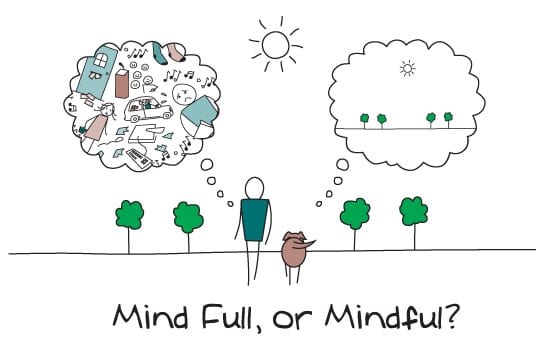
5 Tips To Improve Your Mental Health
- Acknowledge your feelings. It’s okay to feel overwhelmed, frustrated, or tired—diabetes is a lot to manage. Recognizing your emotions without judgment is the first step toward addressing them.
- Build a support system. Stay connected with people who understand, whether that’s family, friends, a diabetes support group, or a mental health professional. You don’t have to manage everything alone.
- Take breaks from diabetes tasks. Give yourself permission to take small mental breaks when needed. This might mean setting boundaries, simplifying meals, or using technology like reminders or CGMs to reduce stress.
- Practice stress-reducing activities. Even just 10 minutes of deep breathing, stretching, walking, or journaling can help calm your mind and support better blood sugar management.
- Ask for professional help when needed. Seeing a therapist—especially one familiar with chronic illness—or talking to your healthcare provider about mental health is a strong, proactive step in taking care of your whole self.
Additional Resources
- American Diabetes Association’s Mental Health Provider Directory
- National Alliance on Mental Illness
- Breakthrough Type 1 Diabetes and Mental Health
- Beyond Type 1 and Mental Health
- Beyond Type 2 and Mental Health