As we head into 2026, nutrition continues to move away from extremes and toward sustainability, personalization, and long-term health. Fewer rigid rules, more flexibility—and a growing emphasis on how food fits into real life. The trends shaping 2026 aren’t about the next “superfood” or cutting out entire food groups. Instead, they reflect a shift toward evidence-based care, improved access, and a more compassionate approach to health—especially for people managing chronic conditions like diabetes. While I don’t have a crystal ball, I can see different products in the grocery store and see what topics/recipes are trending on ‘google analytics’.
Pinterest Predicts says, ‘”In the year ahead, Boomers and Gen X will say goodbye to their cauliflower obsession and crown cabbage the new kitchen MVP. Think blistered edge ‘steaks,’ kimchi cocktails, and even crispier taco wraps. It’s crunch time, baby.” I’m here for a vegetable to have their moment. Cabbage is super under-rated and super affordable. Whether Pinterest is right or not, let’s hear it for all the plants!! Here’s what I think (from what I’ve seen) will be the nutrition trends in 2026 as they relate to food, health, and wellness.
Less Diet Culture, More Metabolic Health
In 2026, the focus continues to shift from weight-centric nutrition to metabolic health. This means more emphasis on knowing your numbers, i.e., blood sugar, cholesterol, blood pressure. Energy levels and quality of life are taking priority over versus the number on the scale. While I’m not a big advocate of continuous glucose monitors (CGM) in people that don’t have diabetes, their popularity is still trending. Just the other day I saw Serena Williams promoting a CGM and the tagline is ‘Trusted by Serena, backed by science.’ As a dietitian, I’m all for the focus to be on ‘knowing our numbers’, but I’m also just as much an advocate for having a qualified professional help you understand your numbers.
Fibermaxxing
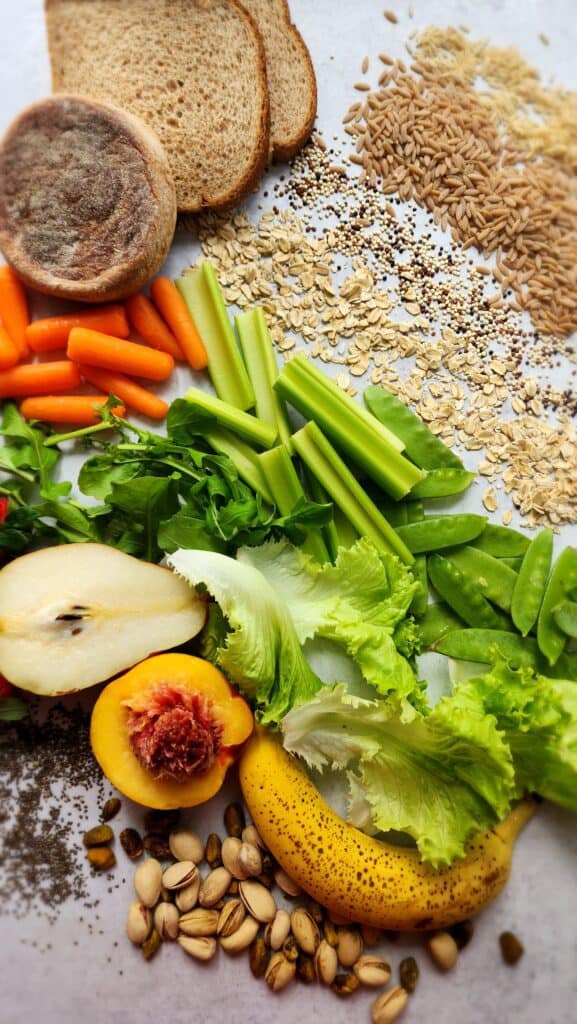
Protein has been king and will continue to be king (hello GLP1s), however, there is now a push from many health professionals to call attention to the importance of fiber. Fibermaxxing as it’s called is a trend (that will continue to be a trend in 2026) aiming to meet or exceed the recommended 25-38 grams of fiber for better daily digestion, gut health, weight management, and blood sugar control. Aim to add more fiber-rich whole foods like fruits, veggies, beans, seeds, and whole grains. Pay attention to increasing this slowly (to avoid gas and bloating) along with increasing your water intake as well.
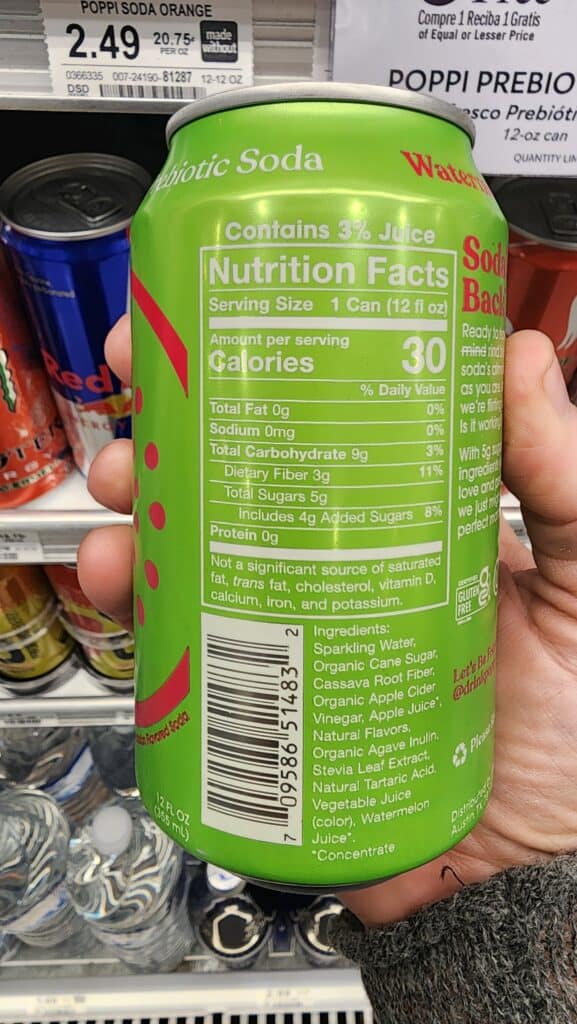
The idea is to try and increase your fiber through whole foods. However, brands are catching on and are starting to market their packaging to show they’re a good source of fiber. Be careful of products that are adding in copious amounts but also ‘add-ins’ that are touting to be high fiber. Slow and steady with the increase of fiber to your diet. Look for ways that this can be sustainable and not just trying to add that 5 grams of fiber from your carbonated beverage.
Quick, Easy, Affordable
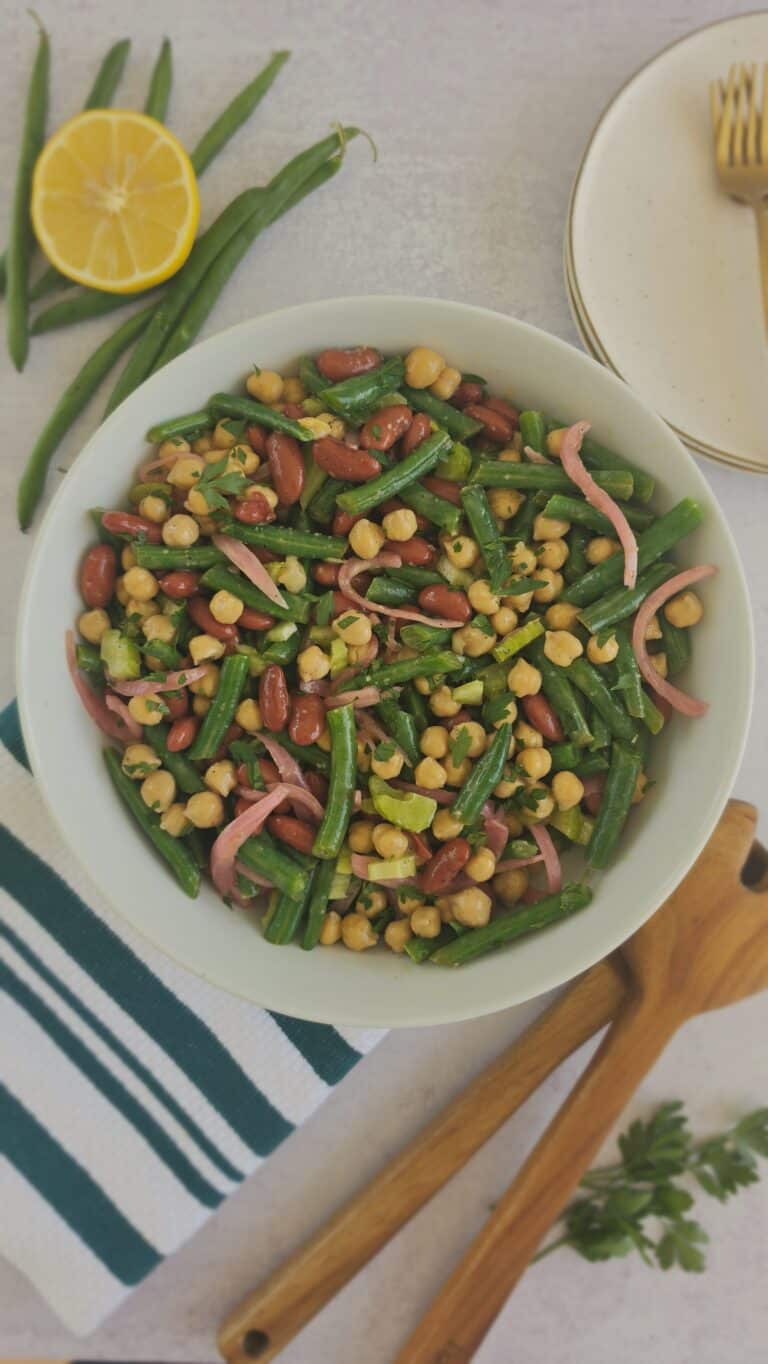
That’s a lot to combine all in one. However, what I’m seeing rise in popularity and ‘quick and easy’ meals that can be thrown together for dinner in a hurry, but that are economical too. We’re all busier than ever and have little time to prepare meals. However, eating out is super expensive and here in Miami really expensive. Think one-pot dinners, casseroles, meals in 30 minutes (Rachel Ray was on to something years ago!), so minimal effort but that can dinner on the table to feed the family too! Let me start by saying this is where I wish beans start to make their comeback: plant protein, full of fiber, and super affordable!
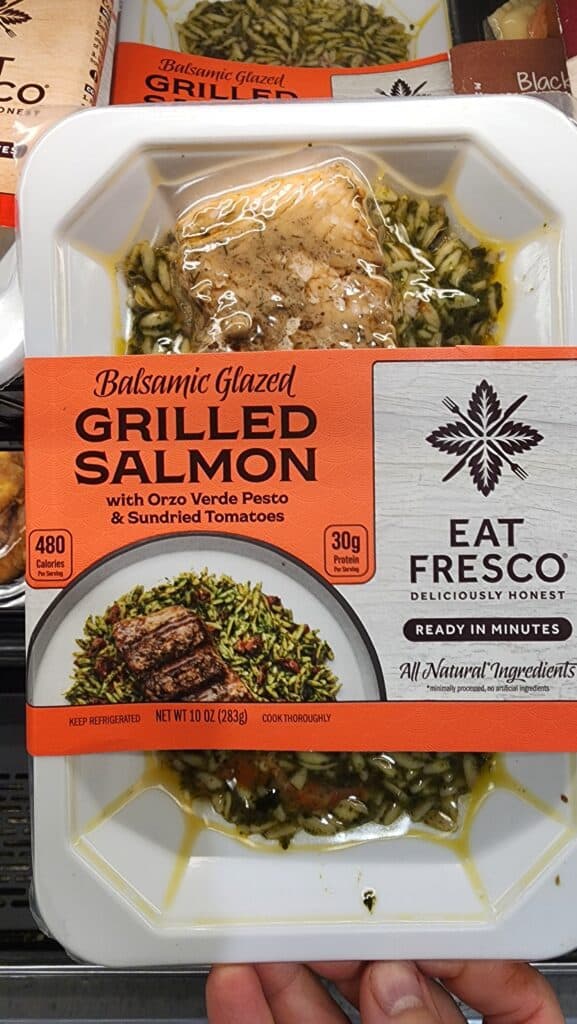
Gourmet Frozen Foods
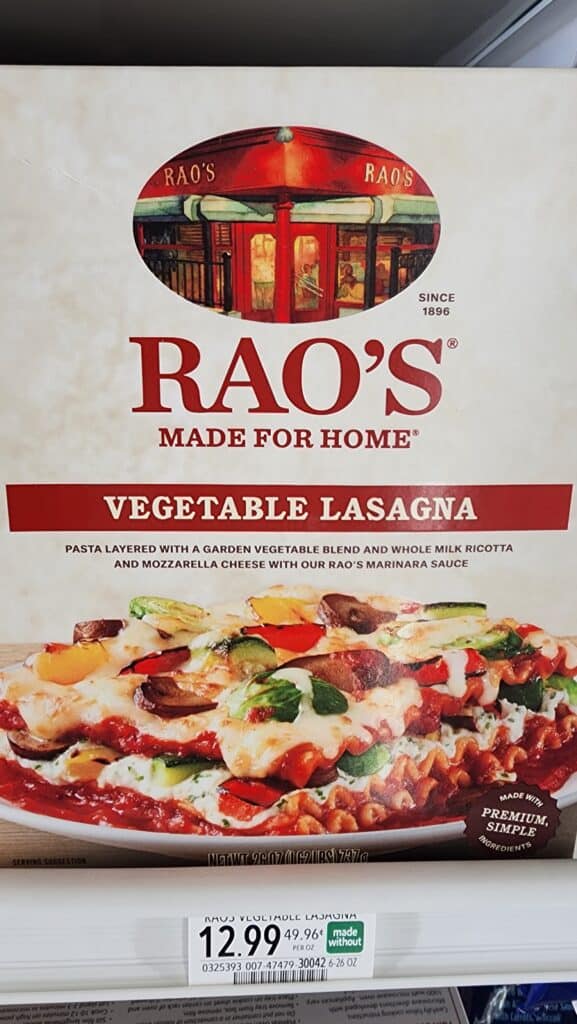
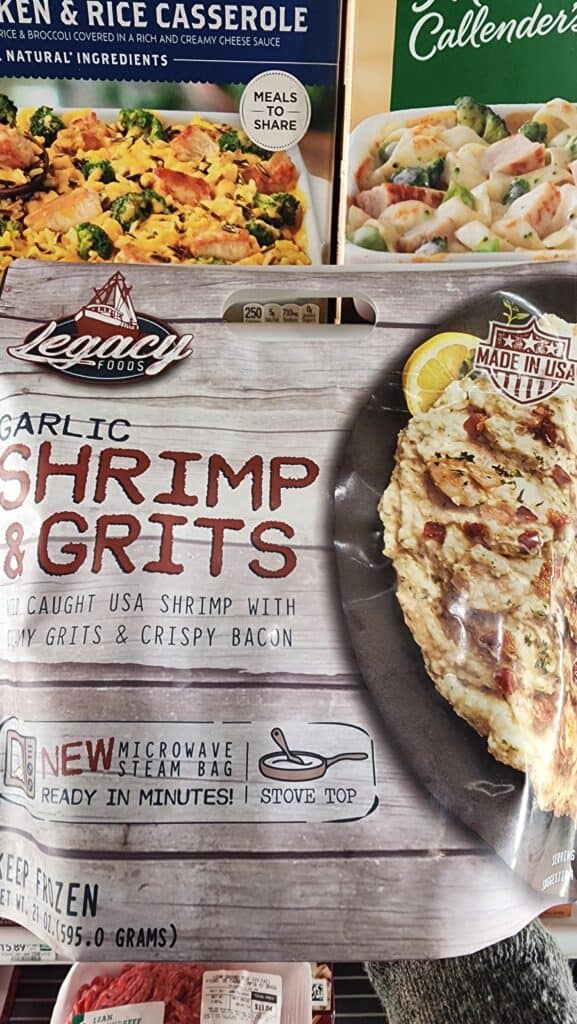
Enter gourmet frozen foods to go along with ‘more affordable’ and less eating out. While these frozen foods might not be super economical, they are starting to gain in popularity due to the decrease in eating out. Consumers are eager to create a delicious meal while eating at home. Pass by the frozen food aisle and you’ll see what I’m talking about. From frozen gyoza to caramleized scallion noodles, even famous chefs like Gordon Ramsay are entering the frozen food aisle. The pressure to cook everything homemade is fading, however, the curiousity of new flavors (and quick meals) is on the rise! Combine this with the idea of saving money and the frozen food aisle is now a popular place to be!
Here are a few other tips to help you save on food throughout the year. Focus on what foods you already have in the house so you’re not purchasing items you already have. Aim to use up what you buy for a recipe and repurpose the remaining amounts or use another recipe to help reduce your food waste. Additionally, buying food that is in-season helps cut back on costs, and if not in-season, look to use more affordable options like frozen food items. As mentioned, cooking more at home is on the list, but that might make a little meal planning/preparation come front and center to continue with the affordable nutrition theme for 2026.
This Year’s Trending Eating Pattern
Social media continues to debate over seed oils causing inflammation (it’s a little more complicated than just blaming seed oils. Think of the products that contain seed oils and know that the high fat, sugar, and sodium all coupled together contribute). And with that the ‘anti-inflammatory ‘diet’ as an eating pattern gained traction. The move in 2026 is towards longevity and dementia prevention eating patterns. The shift is now looking at not just a short-term fix but rather long-term brain health along with metabolic health. Now more than ever with an aging population and the known link between blood sugar, cardiovascular health, and cognitive decline, the focus is now on increasing fiber, healthy fats, plants, and our overall diet quality versus restriction. This ties in with overall metabolic health being top priority to help support a healthier life span.
With an aging population and growing awareness of the link between blood sugar, cardiovascular health, and cognitive decline, eating patterns that emphasize fiber, healthy fats, plants, and overall dietary quality are becoming more relevant than restrictive diet plans. The conversation is moving toward how food supports a healthier life span—not just weight loss.
Natural Food Coloring
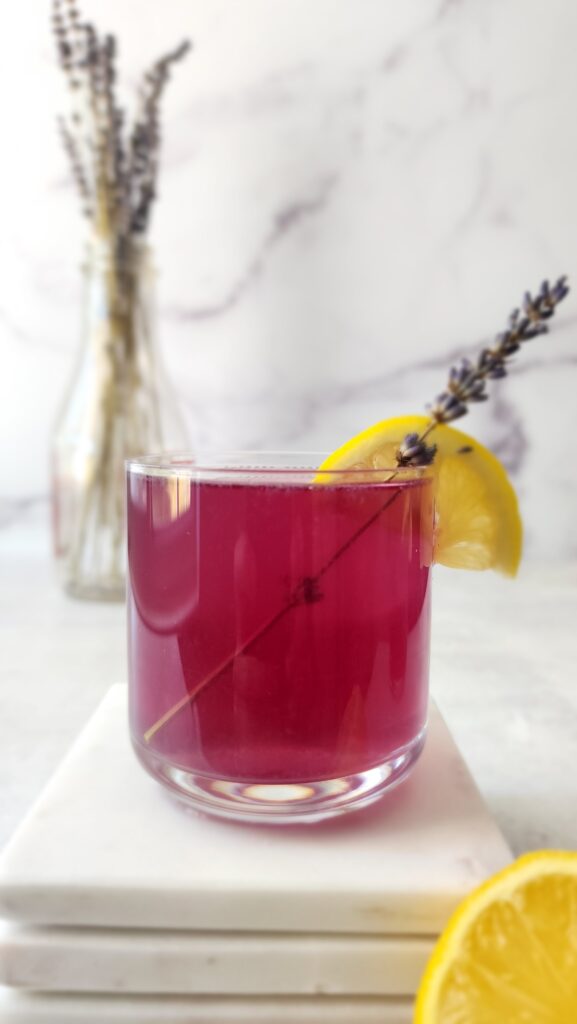
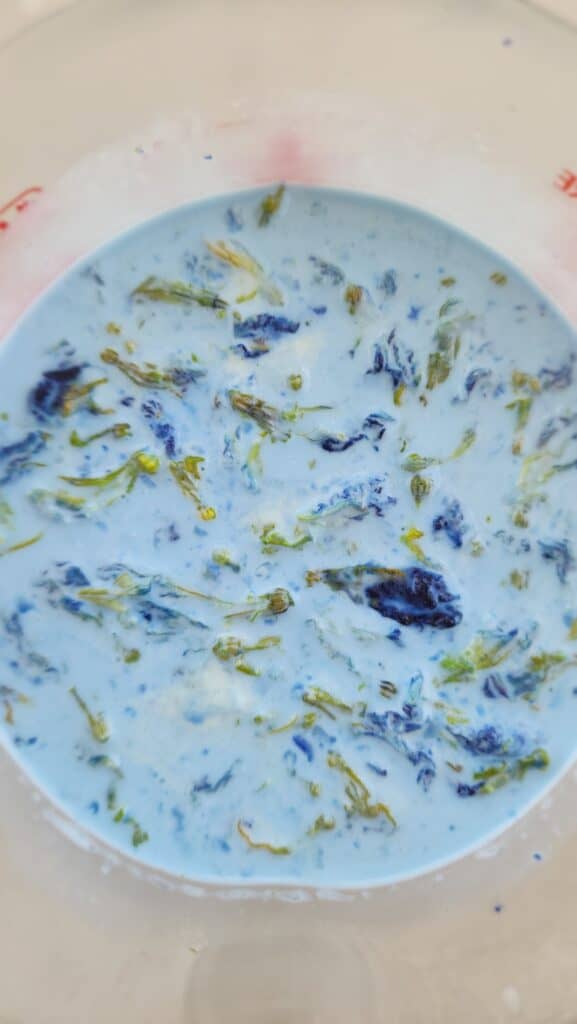
In April 2025, the Food and Drug Administration announced the plan to phase out synthetic food dyes from the food supply. I wrote about red food dye on my Butterfly Pea Cocktail. More and more brands are removing the synthetic food dyes from packaged foods, and while this might seem like a win, the underlying discussion really should be about limiting our ultra-processed food intake overall and not just blaming ‘red dye’. More research is needed to clarify the impact on long-term health, however, ultra-processed foods should be consumed less and less, because the added sodium, sugar, and fat have been determined to impact our overall health. Now these products might not have a food dye in them, but that still doesn’t make them healthier just because the food dye was removed. Think big picture versus just focusing on one ingredient.
High Protein Dairy
Cottage cheese had its moment this past year. And while people will try to say that cottage cheese ice cream is a thing, I would like to remind everyone that it does not taste great (sorry, not sorry). However, incorporating high protein dairy is a win overall. Skyr, Greek yogurt, and Kefir are all amazing sources of protein and simple items that you can even incorporate daily into your eating pattern. Just today I saw an ultra-filtered milk advertising a cup of milk having 14 grams of protein. Yes, protein craze is on the rise, and dairy products are here to answer the request! Here in Miami, Greek yogurt places are popping up all over the city! Froyo is BACK! (just watch the added sugar, please and thanks!)
Mocktails Are Here To Stay
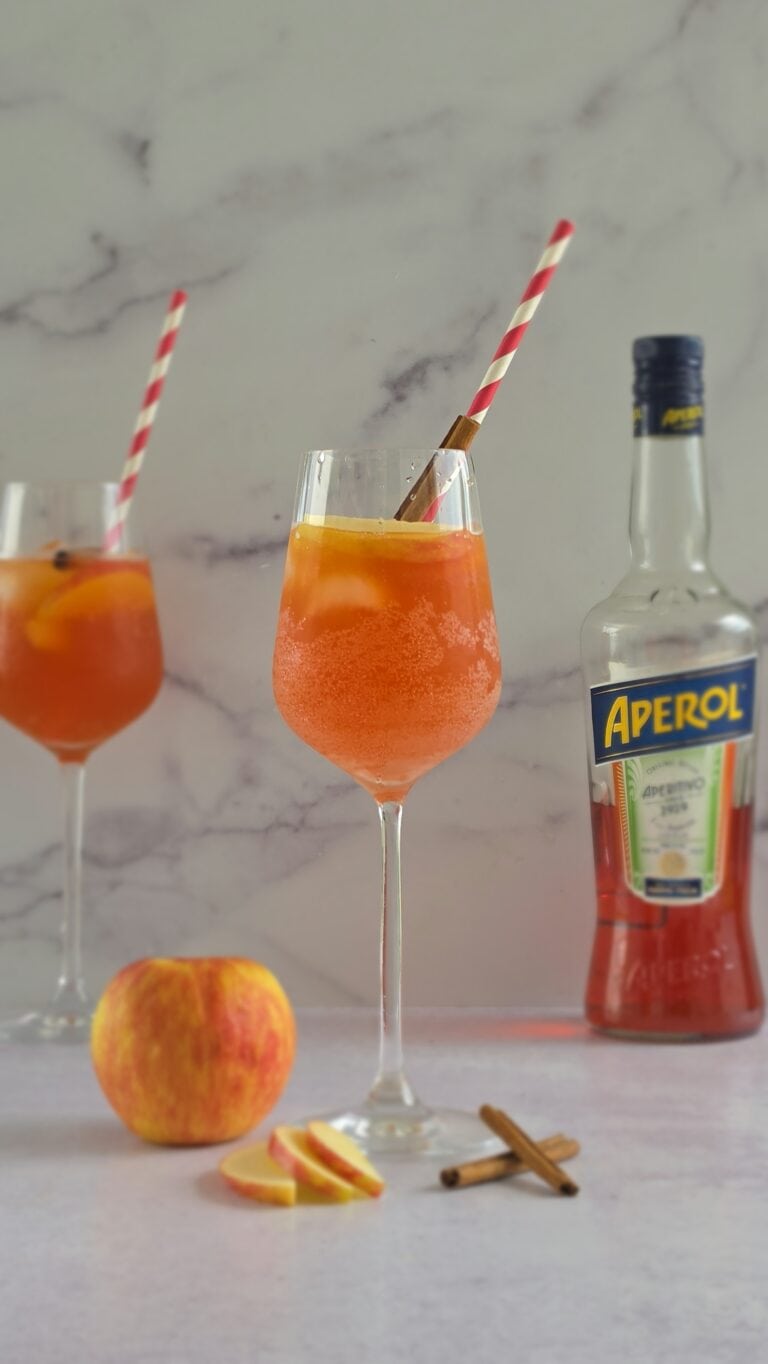
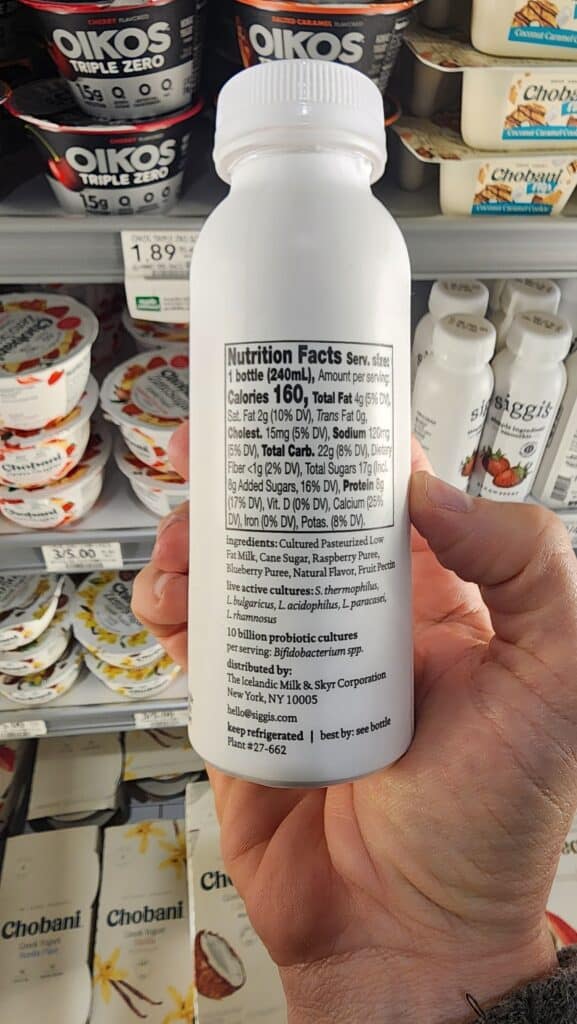
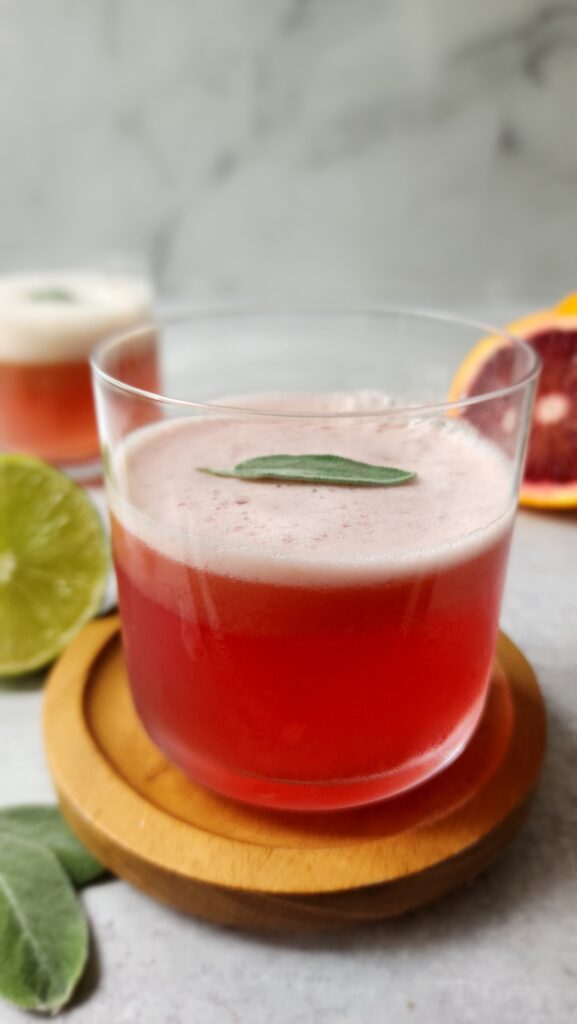
Step through the grocery store alcohol section and you’re bound to see a whole section for non-alcoholic mixers and drinks. Even I was surprised to find the assortment that I did! With Sober October and Dry January trending I believe this will continue to gain popularity. People want to be social but don’t necessarily want to drink. Option one could include a sparkling water beverage that will still look festive or fun. Option two are prepackaged mocktails. I found one the other day (see picture below) that actually was on the lower end of added sugar but that also tasted delicious. Added sugar is something to keep in mind when you are selecting non-alcoholic drinks. While you might be removing alcohol you might be including more added sugar, so again, remember to be aware when selecting.
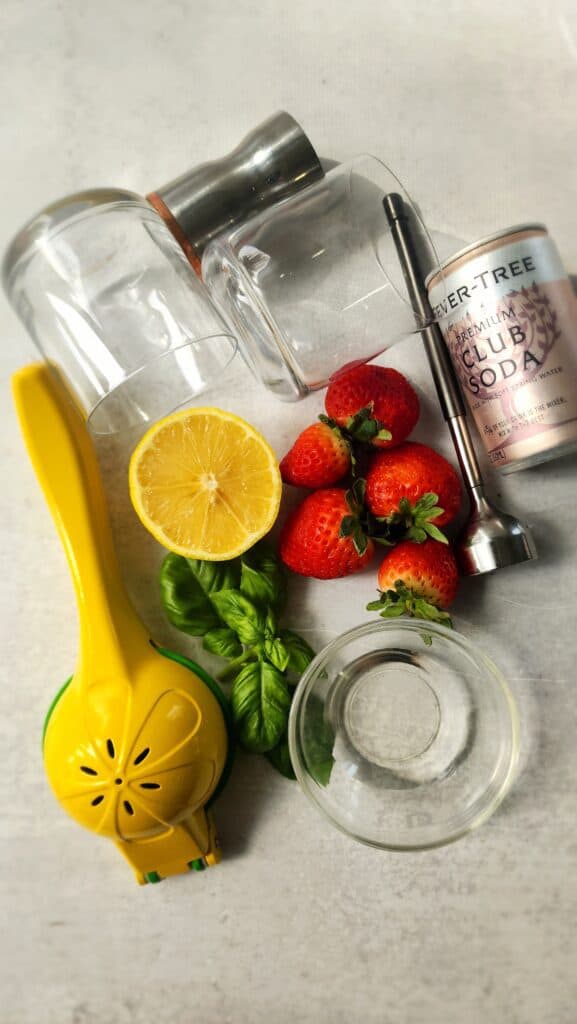
Option three can include you making your mocktail. It is so much fun to think of all the different drink combinations you can come up with that are sans alcohol. When it comes to alcohol, always pay attention to your total intake over a period of time and create awareness of how much you’re consuming (as you might not even realize). Additionally, if you’re trying to be ‘sober curious,’ sometimes the simple ritual of ‘having a drink’ might be part of the actual problem. Regardless, mocktails are here to stay and gaining popularity! Check out my Strawberry Basil Mocktail, Blood Orange Mocktail, and Butterfly Pea Flower Mocktail.
Self-Care IS a Priority
Over this past year there has been a focus on social media of showing the importance of ‘not having it all together’. Perfection is out, practicality is in. Enter the importance of making sure to incorporate small simple ways to have a self-care practice. 5 minutes a day of ‘you’ time is self-care. Gone are the ideas that you have to go to a 90-minute yoga class to unwind. Sure, that would be amazing and ideal, however, the idea here is to make sure you are carving out moments for yourself to ‘give back’ so that you can give to others.
This is a trend that I’m predicting needs to take effect. We’re always on the go and never stop to pause. However, in talking with friends, colleagues, and acquaintances, now more than ever we’re living in stressful times, making it that much more important to have ‘outlets’ for stress management. My encouragement is for you to write a list of ten ways you can practice quick and simple ‘self-care’, so that when you’re able to, you have various ways to incorporate self-care strategies. Recently I’ve been doing quick 10-minute dance cardio routines. Am I dancer? Absolutely now? Does it make my brain think about the dance moves/choreography? Absolutely! Not to mention, you turn on a fun song and ‘dance it out’ has never felt better. Here’s to a year of less stress and more gratefulness!


Beef Tallow
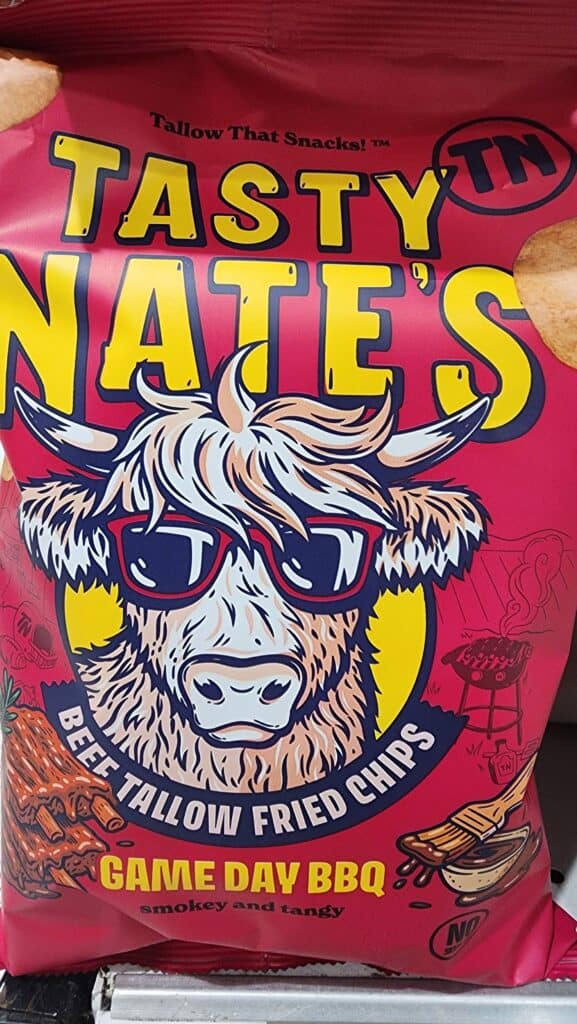
Let’s just say this is a trend that I wish that it would go away. But pass by through the grocery store and farmer’s markets and products are abuzz with the use of beef tallow (replacing seed oils and using beef tallow instead!) This is not a win and this is a step in the wrong direction. Cardiologists all over the country are going to be in business for years if this trend continues.
Fat provides flavor, however, saturated fat sticks and clogs arteries. We do NOT want more of this we want less of this. So if you’re potato chips are fried in beef tallow (look at that price!) they are not somehow better for you because beef tallow is used in place of vegetable oil. A chip is a chip is a chip. And if you’re using a source of saturated fat versus a plant-based option, it might just even be a worse option for you. Similar to coconut oil, feel free to use on your skin just not ingest it.
The Bottom Line
Nutrition trends in 2026 are less about chasing the next viral ingredient and more about supporting long-term metabolic and brain health in realistic, sustainable ways. The focus is shifting toward knowing and understanding your health numbers (with professional guidance), prioritizing fiber alongside protein, embracing quick and affordable meals, and reducing pressure to cook everything from scratch. Eating patterns are moving away from restriction and fear—toward longevity, quality of life, and overall diet quality. At the same time, it’s important to stay critical of trends like beef tallow and ingredient fear-mongering, and instead focus on the bigger picture: balanced nutrition, practical self-care, and habits that actually support health over the long run.
So there you have it. A round-up of possible nutrition trends for 2026. As a dietitian I love to see what new products are out there (none of these are endorsed/sponsored), but I also love to let you know which ones are full of hype and great marketing. Here’s to 2026 and a year filled with health and wellness. Cheers!