

Managing diabetes successfully comes down to finding the right balance between meals, movement, and medicine — the three core pillars of diabetes care. Each one plays a key role in helping keep blood glucose levels in range, improving energy, and supporting long-term health. When these pieces work together, they can make daily management feel more doable and personalized to your lifestyle. In this post, we’ll explore how nutrition, physical activity, and medications all fit together to create a strong foundation for living well with diabetes.
Disclaimer: This article is for educational purposes only and is not intended to provide medical advice, diagnosis, or treatment. The information shared here—and in any linked content—should not replace guidance from your healthcare provider or registered dietitian. Always consult your care team for personalized medical support and recommendations.
I’ve been a dietitian for over 25 years and a diabetes educator for the last 10, and in that time, my patients have been some of my greatest teachers. They’ve shown me that even when you’re doing all the “right things,” no two days with diabetes are ever the same. That’s because diabetes isn’t just a science—it’s an art. It requires patience, flexibility, and a willingness to adjust as life changes. Over the years, I’ve come to think of diabetes management as a puzzle made up of many pieces, which I call the three M’s of diabetes management: meals, movement, and medicine. These three pillars form the foundation for balanced blood sugar and long-term health. But there’s more to it—other M’s like monitoring, mindfulness, mindset, and motivation also play a big role in supporting overall well-being.


Meals
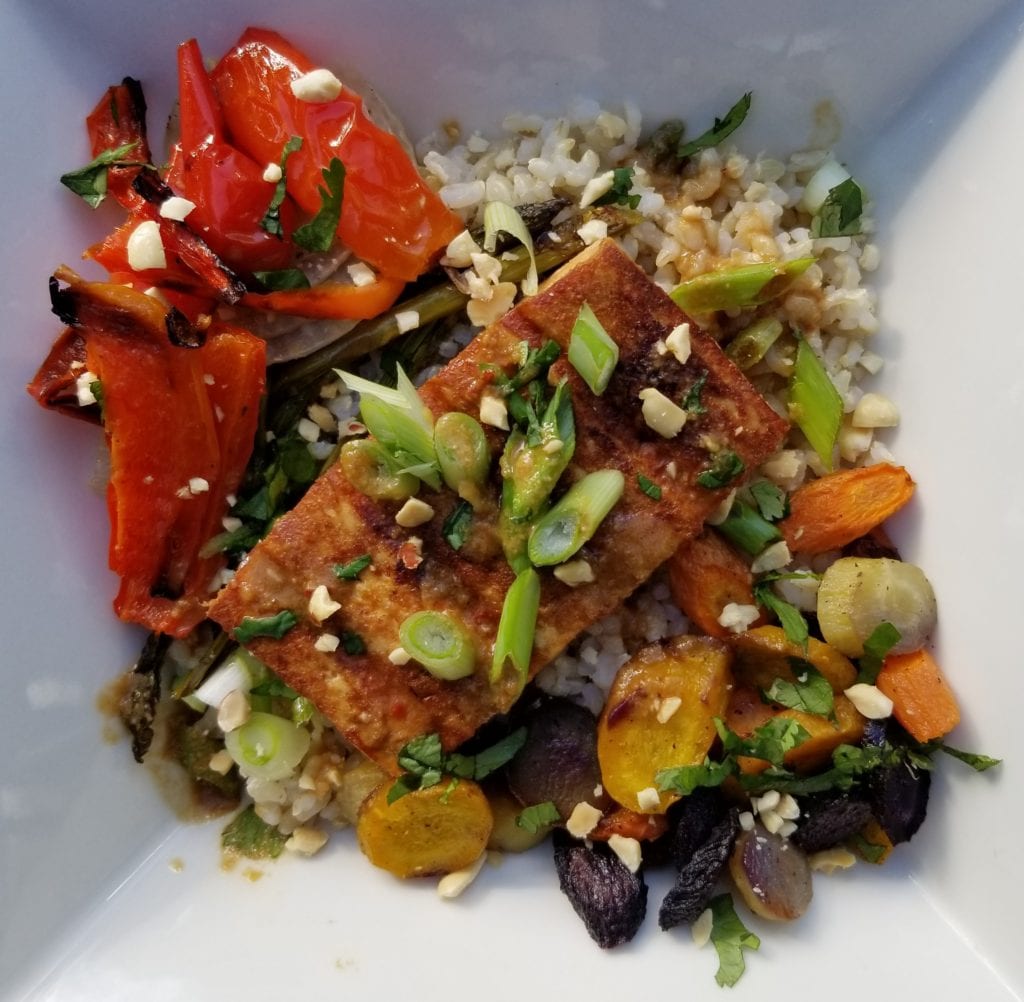
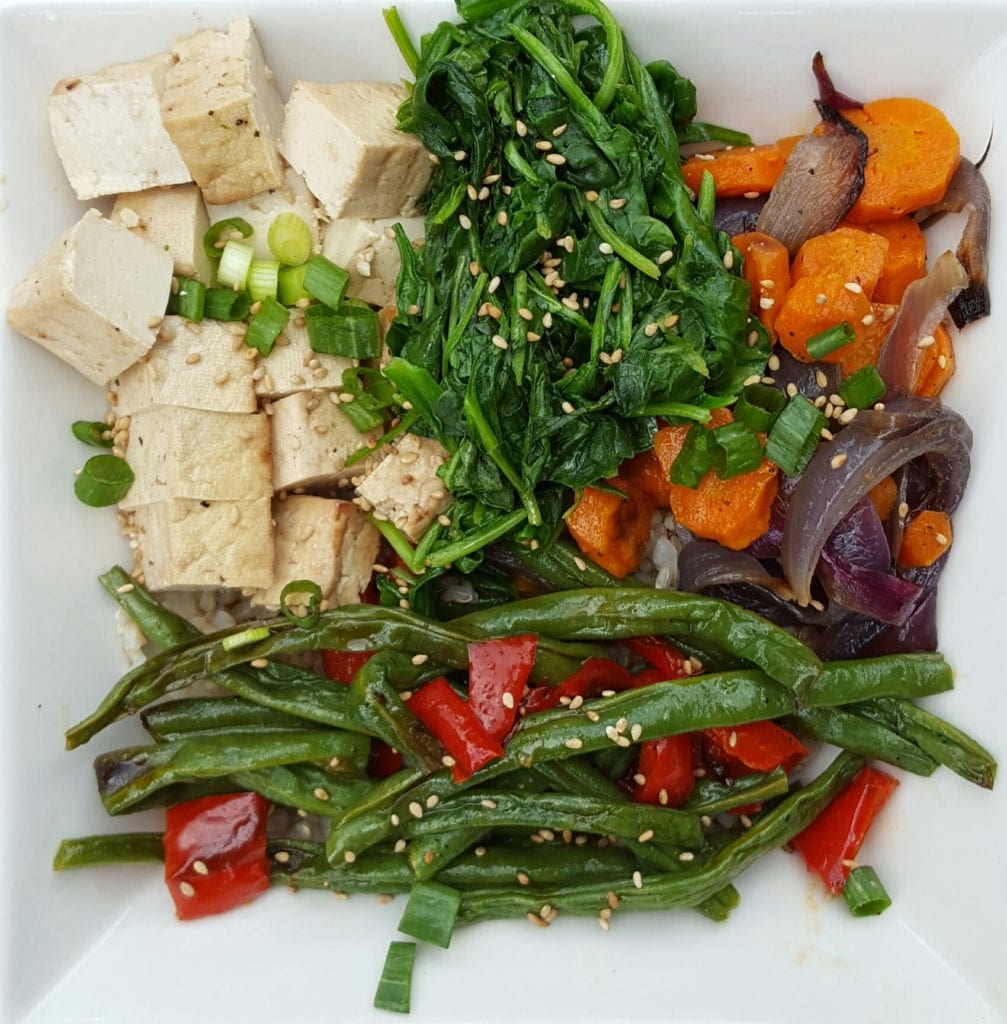
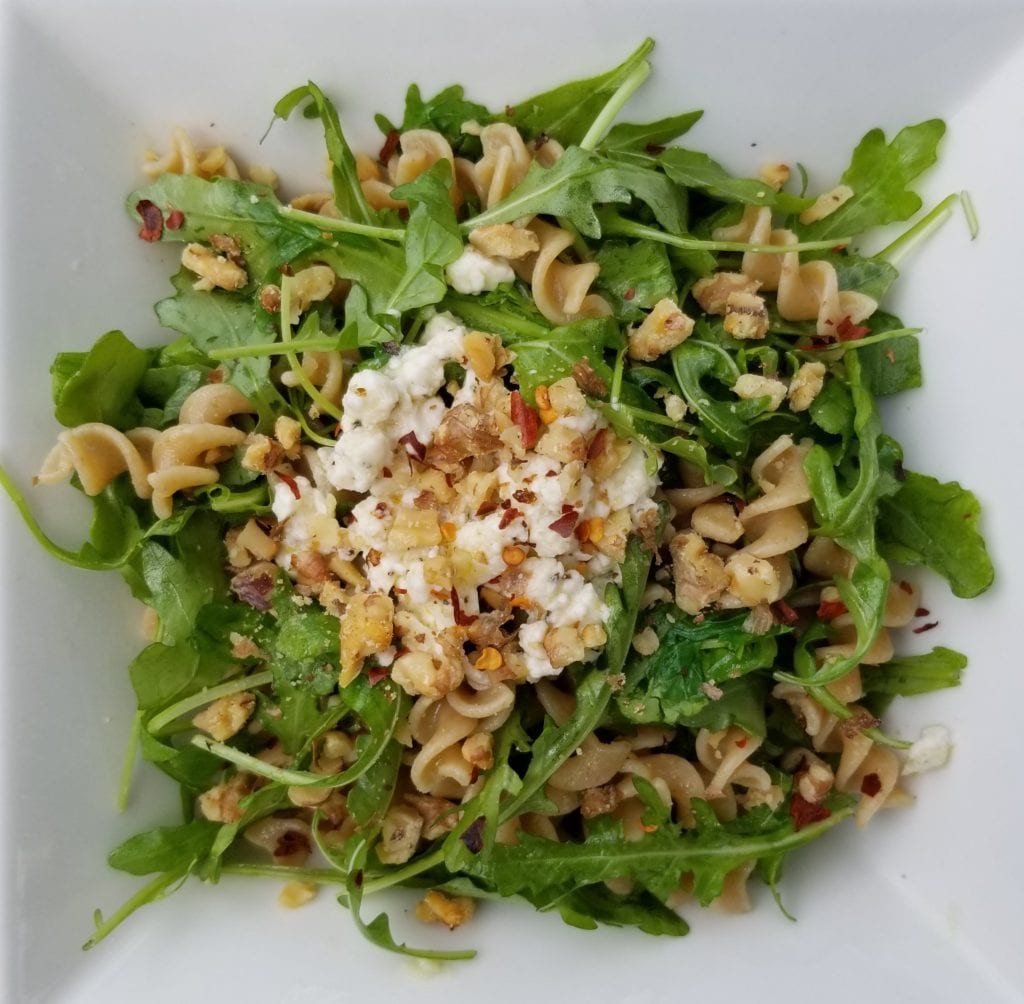
What you eat plays a significant role in managing blood glucose levels, energy levels, and overall health. A balanced meal plan focuses on pairing high-fiber carbohydrates with lean proteins and healthy fats to help maintain steady blood sugar levels throughout the day. Incorporating foods like vegetables, whole grains, beans, nuts, and lean proteins supports both blood glucose control and heart health. There’s no one-size-fits-all approach — the key is finding an eating pattern that works for your preferences, culture, and schedule. Consistency in meal timing and portion sizes can also significantly impact how your body responds to insulin and medications.
What and how you eat plays one of the biggest roles in blood sugar management. But it’s not just about cutting carbs or following a rigid meal plan — it’s about understanding how different foods work together. We’ll dive into topics like the role of fiber in slowing glucose absorption, how protein helps with satiety and blood sugar balance, and whether or not carb counting is the right approach for you. We’ll also look at practical tools like the plate method and meal timing to help manage blood sugar levels. Eating for diabetes doesn’t have to mean giving up your favorite foods — it’s about learning how to enjoy them in a way that supports your goals.

Movement
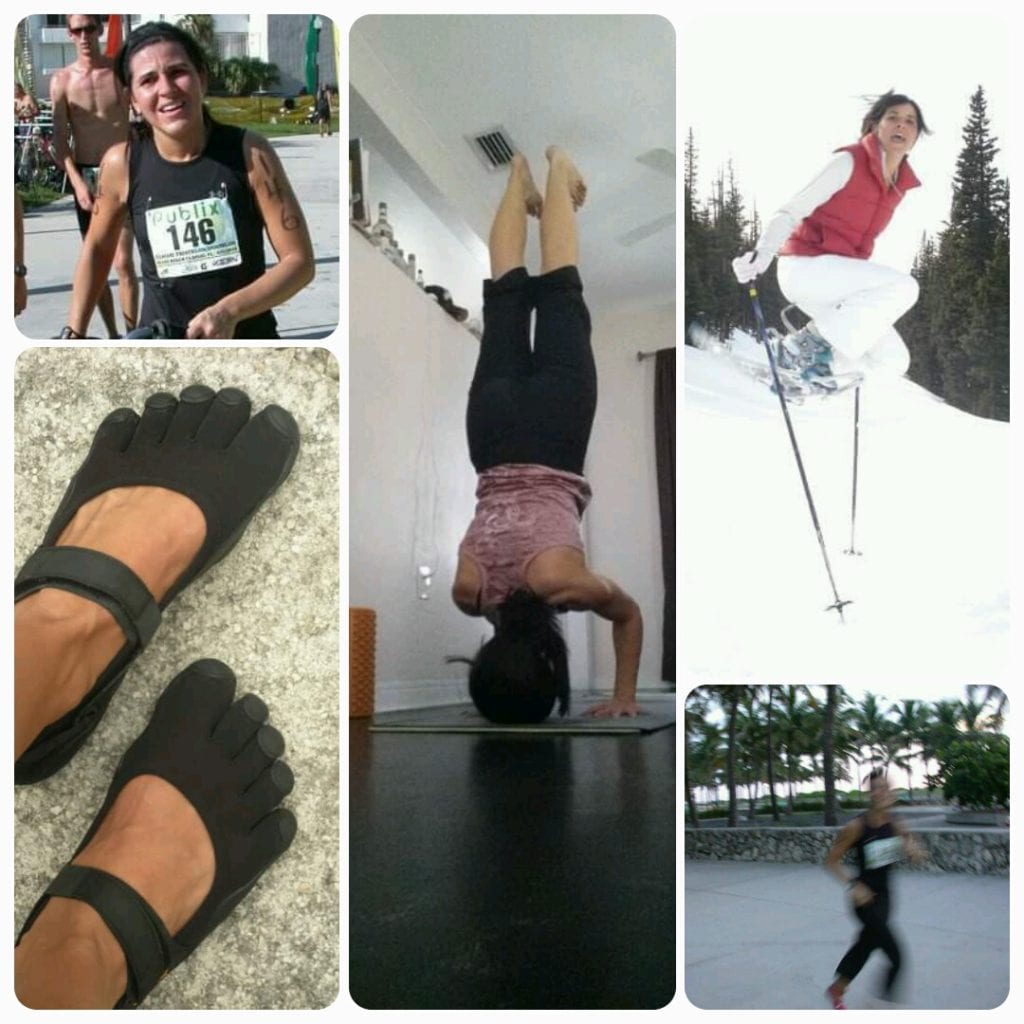
Regular movement helps your body use insulin more effectively and can naturally lower blood sugar levels. Even small amounts of physical activity, such as walking after meals, gentle yoga, or light strength training, can have a significant impact. Aim for a mix of aerobic exercise (like brisk walking or swimming) and resistance training to support both blood glucose control and muscle health. The most important part? Choosing activities you enjoy so they become a sustainable part of your routine. Always consult your healthcare provider before starting a new exercise routine, especially if you use insulin or medications that may lower your blood sugar levels.
Movement is powerful medicine, and it doesn’t have to mean running marathons or hitting the gym every day. In these posts, we’ll explore how different types of activity — from a simple walk after dinner to strength training or yoga — can help your body use insulin more effectively and lower blood glucose levels. We’ll also talk about how to safely exercise if you take insulin or certain oral medications, and why understanding your time in range before and after activity is so important. Most importantly, we’ll focus on finding movement you enjoy — because when it feels good, you’re more likely to keep doing it.

Medicine
Medications — including insulin and non-insulin therapies — are a crucial part of diabetes management for many individuals. They help your body either produce or utilize insulin more effectively to maintain glucose levels within the target range. Finding the right medicine and dose is highly individualized and may change over time as your body and needs evolve. It’s important to take medications as prescribed and keep open communication with your healthcare team about how they’re working for you. When combined with healthy meals and regular physical activity, medication helps create a strong foundation for stable blood sugar levels and improved overall well-being.
In these posts, we’ll talk about how these medicines work, why they’re prescribed, and what questions to ask your healthcare team to get the most out of your treatment. We’ll also discuss how to pair your medication plan with your meals and movement for the best results — and touch on topics like dose timing, titration, and side effect management so you feel more confident in your day-to-day routine.

A Day in the Life of Balanced Diabetes Management
Managing diabetes doesn’t have to feel overwhelming—it’s about building habits that fit naturally into your lifestyle. Here’s what a day might look like when you focus on meals, movement, and medicine working together:
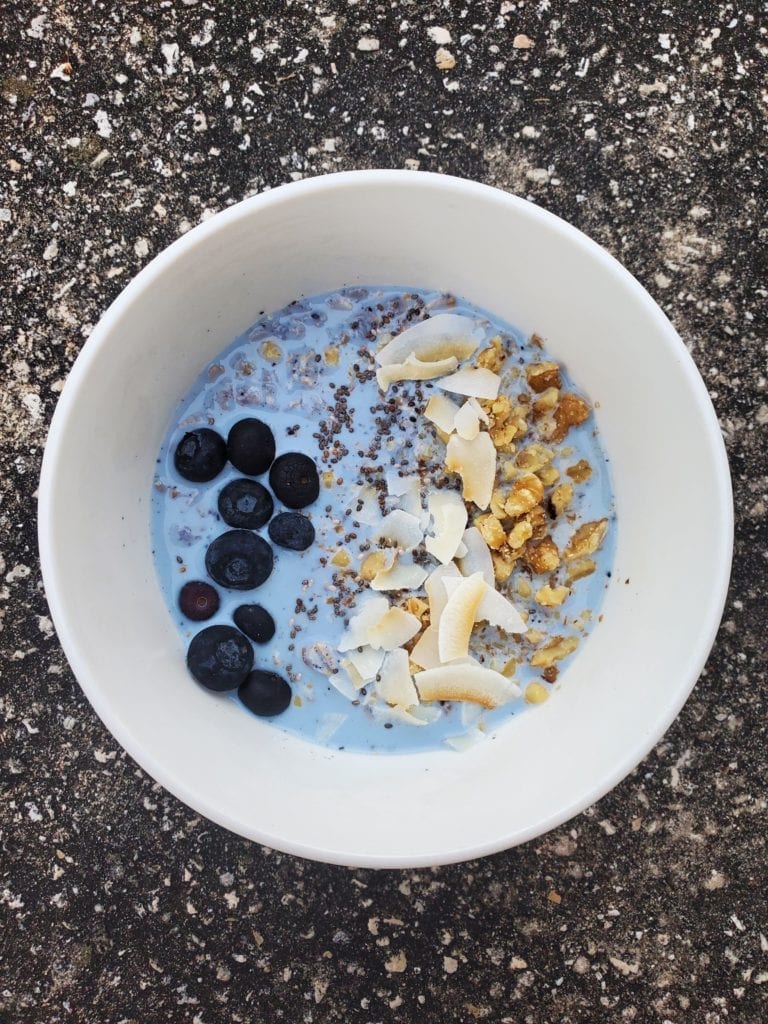
Morning: Start your day with a balanced breakfast, like oatmeal topped with walnuts and berries. If you take medication in the morning, pair it with your meal to help you remember.
Midday: After lunch, take a quick 10-minute walk or stretch break. Even light activity helps improve how your body uses insulin and lowers post-meal glucose levels.
Afternoon: Stay hydrated and check in with your energy. If you’re noticing dips or highs, jot them down or check your continuous glucose monitor (CGM) to learn how meals and movement are impacting your glucose.
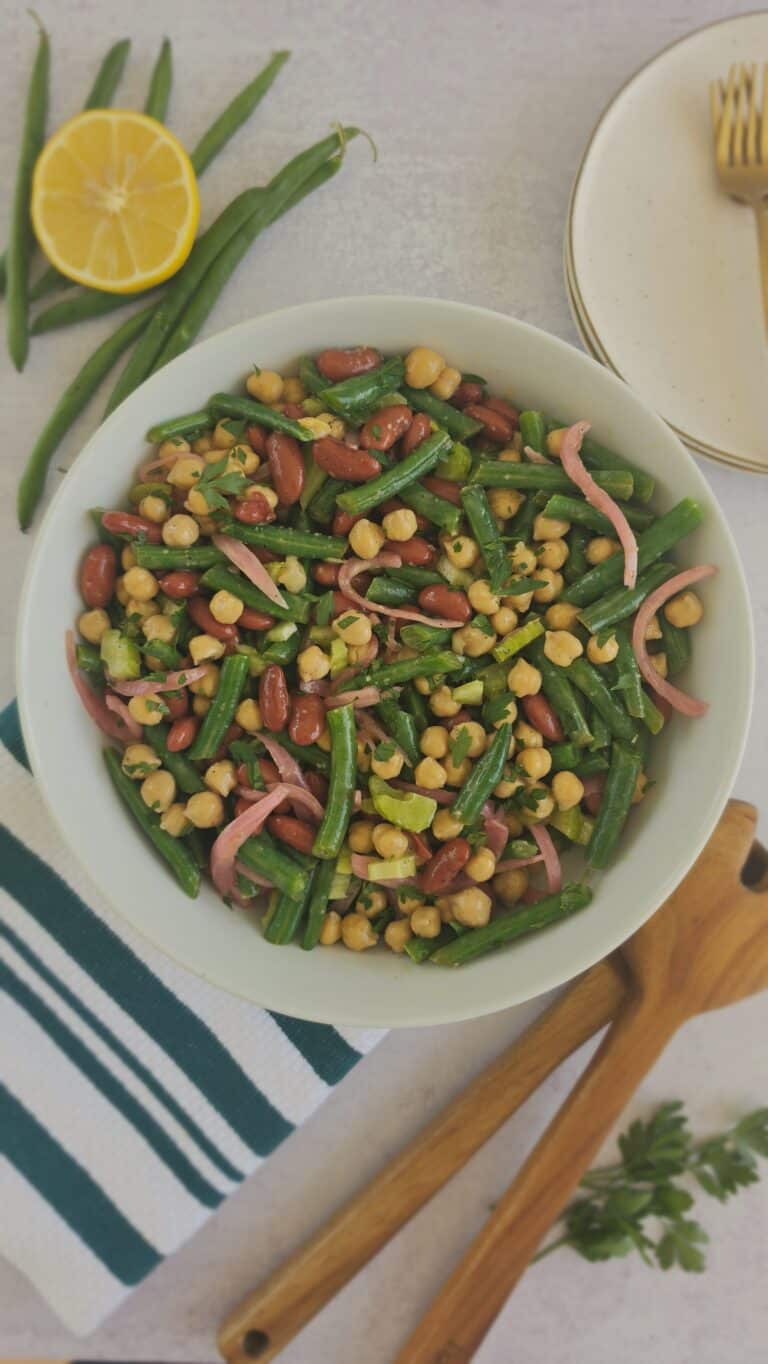
Evening: Dinner might be a plate filled with grilled chicken, roasted vegetables, and a serving of quinoa. A relaxing walk or some gentle stretching can round out your day, supporting steady blood sugar before bedtime.
Each small step—choosing nourishing foods, staying active, and taking medications consistently—adds up to big progress over time.

Quick Start Tips for Success
Ready to make these three pillars part of your routine? Start small and build momentum:
- Plan one balanced meal this week using the plate method.
- Add 10 minutes of movement after a meal—no gym required.
- Set a daily reminder for your medication or glucose check.
- Track your wins, not just your numbers. Noticing improvements in energy, mood, and confidence is just as important.


The Other M’s That Matter
While meals, movement, and medicine form the foundation of diabetes management, there are several other “M’s” that can make just as big of a difference in your day-to-day success. These are the mindset and behavioral pieces that bring everything together.
Monitoring is about more than just checking numbers — it’s learning how to interpret your blood sugar patterns so you can make small, informed changes. We’ll discuss how to use tools like continuous glucose monitors (CGMs) or fingerstick readings to guide your decisions rather than just react to them.
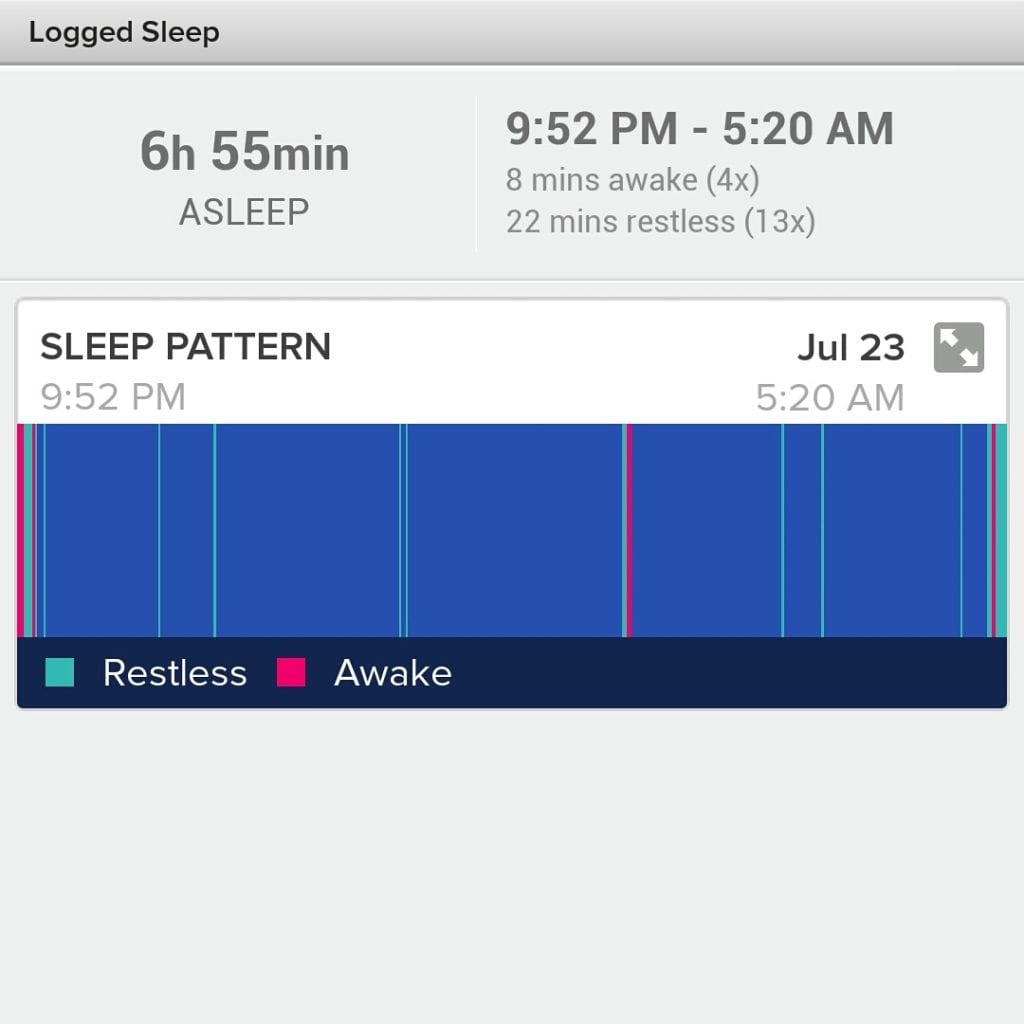
Mindfulness plays a big role too. Managing diabetes can be stressful, and being aware of how stress, sleep, and emotions impact your blood sugar helps you respond with more intention and less frustration.
Then there’s mindset and motivation — two things that often determine whether healthy habits stick long term. Together, we’ll explore strategies to overcome burnout, stay flexible when life gets busy, and build confidence in your ability to manage diabetes your way.
Managing diabetes is a journey — one that requires patience, flexibility, and self-compassion. By focusing on the three M’s — meals, movement, and medicine — you’re already building a strong foundation for better blood sugar management and overall health. And when you layer in the other M’s — monitoring, mindfulness, mindset, and motivation — you create a more complete, realistic approach to living well with diabetes. Remember, it’s not about perfection; it’s about progress and finding what works best for you. Stay tuned for upcoming posts where we’ll take a deeper dive into each of these topics and explore practical ways to apply them in everyday life.





1 thought on “Diabetes Management: Meals, Movement, Medicine”
Thank you for all of your expertise – really looking forward to this series!