
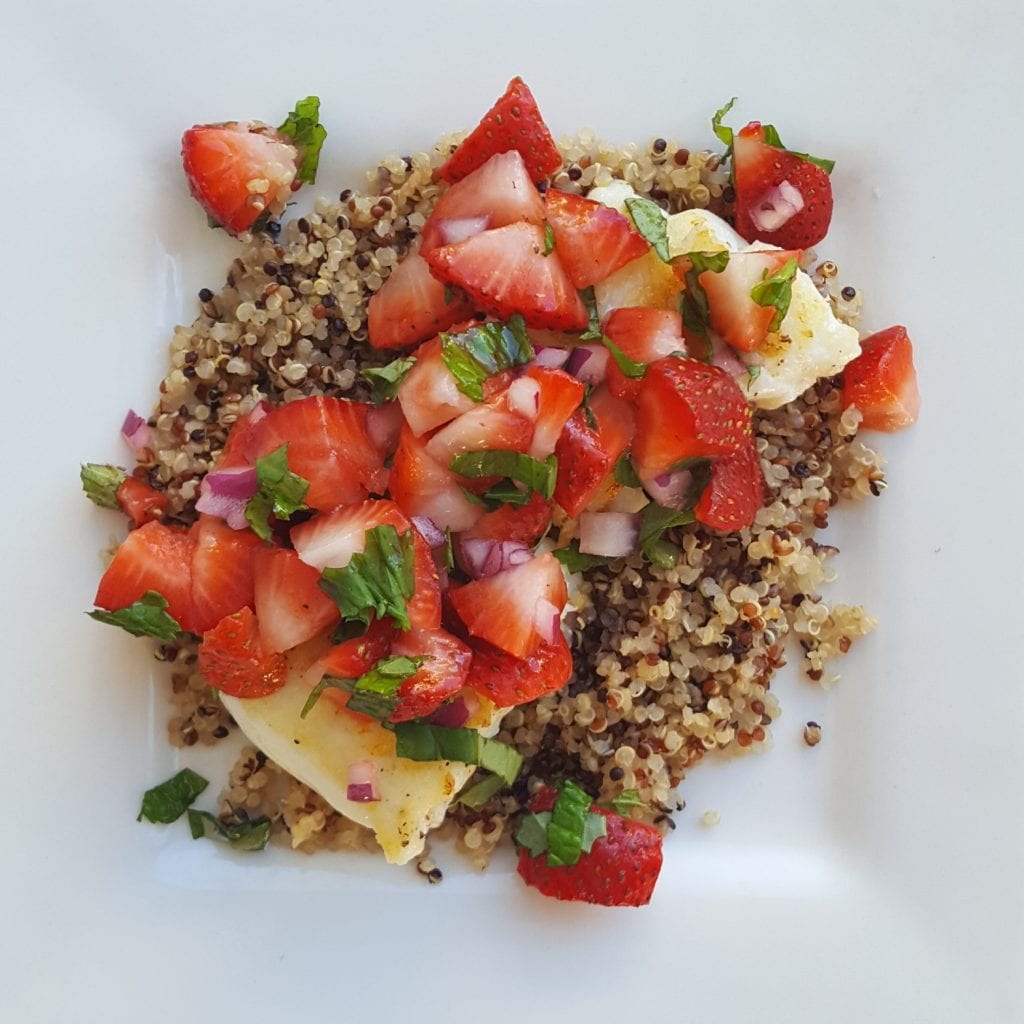
Meal planning is a powerful tool for managing diabetes—it helps keep blood sugar levels steady, supports overall health, and can take the guesswork out of what to eat. Instead of focusing on restriction, diabetes-friendly meal planning is about balance, variety, and nourishment.
Disclaimer: This article is for educational purposes only and is not intended to provide medical advice, diagnosis, or treatment. The information shared here—and in any linked content—should not replace guidance from your healthcare provider or registered dietitian. Always consult your care team for personalized medical support and recommendations.
Benefits of Diabetes Meal Planning
The number one question I’m often asked as a diabetes care and education specialist is, “What can I eat?” With so much information and misinformation available, it can become extremely confusing quickly. Not to mention, what works for your friend or family member may not work for you. Enter finding out what will work over the long term for YOU!
Meal planning for diabetes can help manage blood sugar levels, reduce the risk of highs and lows, support balanced nutrition, and make daily food choices less stressful. It also makes grocery shopping and meal prep more efficient, helping you stay on track with your health goals. The goal is to help you feel more confident at mealtimes and take the guesswork out of what you can and cannot eat. Spoiler alert – you can eat foods you enjoy! Meal planning is beneficial for everyone, not just those living with diabetes. Think of all the money you’ll save if you have a plan!

Benefits for Type 1
For people with type 1 diabetes, meal planning plays an important role, too! When I used to counsel patients one-on-one, I’d often remind them: you can eat what you want—there are no “off-limit” foods. The key is that your pancreas doesn’t produce insulin, so you become the one in charge of deciding how much insulin to give for each meal or snack. That’s where meal planning comes in. It can make dosing decisions easier, help prevent blood sugar swings, and bring more confidence and consistency to daily life!
- Improved Blood Glucose Management: Planning meals helps accurately match insulin doses to carbohydrate intake (carbohydrate counting). Regular meals and snacks can help prevent extreme fluctuations in blood sugar levels. It’s essential to understand the mechanism of action of insulin!
- More Flexibility: Initially, it may take some time to learn; however, meal planning can help adjust your insulin dose because it is based on your carbohydrate intake. Additionally, meals and snacks will not only help support your exercise with appropriate fueling but also reduce the risk of exercise-induced hypoglycemia.
- Balanced Meals: Meal planning will encourage you to consider how your plate is balanced and whether you’re incorporating lean protein, heart-healthy fats, and fiber with your carbohydrates.
- Reduced Stress: Knowing what and when you’ll eat can reduce the pressure of managing diabetes.


Benefits for Prediabetes and Type 2
For individuals with prediabetes or type 2 diabetes, meal planning is a powerful strategy for managing blood sugar and supporting overall health. It encourages balanced meals that include fiber-rich carbohydrates, lean proteins, and healthy fats. Nutrients that work together for better blood sugar management. Planning meals can also support weight management, reduce insulin resistance, and make healthy eating more convenient and sustainable. Over time, these habits can help delay or even prevent the progression of type 2 diabetes and reduce the risk of long-term complications.
- Improved blood glucose management: Balanced, planned meals can help with not only portion control but also with balancing the plate with lean proteins, heart-healthy fats, and fiber, along with carbohydrates.
- Supports Insulin Sensitivity: The Timing of meals and snacks can help with blood glucose management, which in turn can improve the body’s response to insulin. Additionally, it helps allow the pancreas to work more efficiently.
- Supports Weight Management: Meal planning helps with portion control, as well as reducing mindless eating throughout the day, both of which play a crucial role in maintaining a healthy weight.
- Encourages Healthier Food Choices: Having a plan helps reduce last-minute decisions that often lead to higher-fat and higher-sugar convenience-type foods.
- Simplifies grocery shopping and cooking: Knowing what you’ll eat makes it easier to shop with purpose and prepare balanced meals at home.
- Reduces mealtime stress: With a plan in place, there’s less pressure and guesswork around what to eat and how it will affect blood sugar levels.
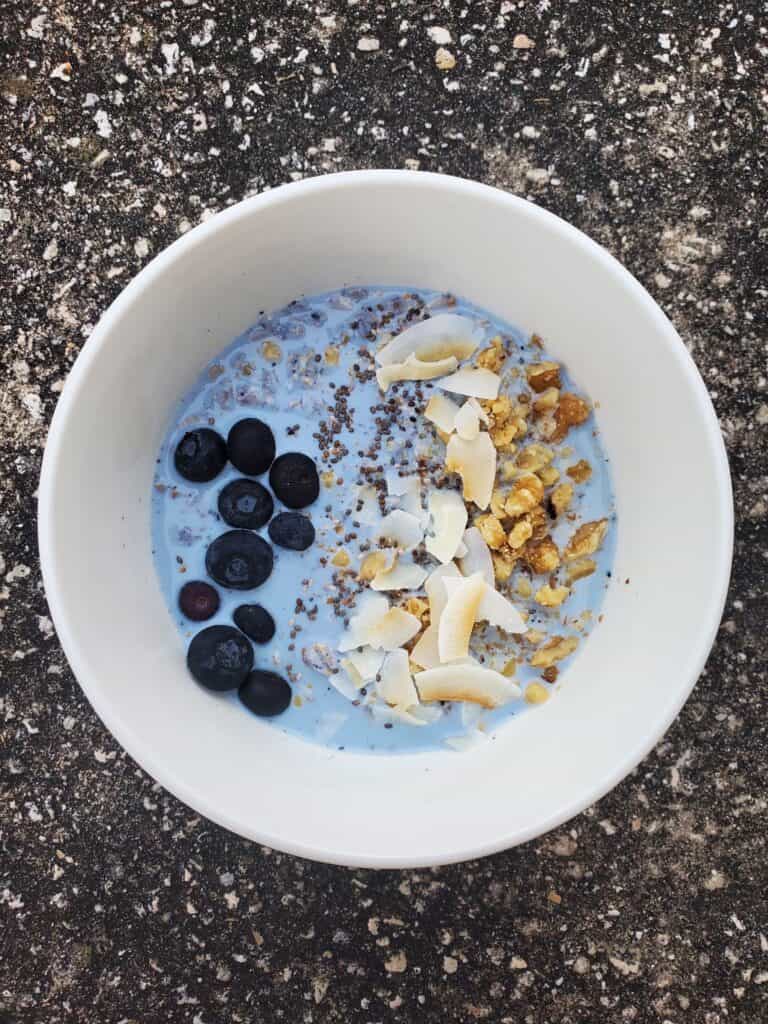

Meal Planning Smart
A good meal plan for diabetes is balanced, personalized, flexible, and sustainable. This will mean something different for everyone, but remember that it should be something you can do over the long run, not just for a short, quick fix.
- Consistency: in timing and composition. Eating meals and snacks at regular time intervals helps manage blood glucose levels and avoid the highs and lows.
- Balanced: with key nutrients. Each meal aims to incorporate a mix of high-fiber carbohydrates, lean protein, healthy fats, and fiber. Balanced meals keep you fuller longer and avoid the quick spikes.
- Carbohydrate Awareness: not carb-free! The focus is on choosing higher-quality carbs (such as whole grains, beans, fruits, and non-starchy vegetables) and knowing how much to include rather than eliminating them.
- Supports Individual Goals: Whether it’s weight loss, blood pressure management, or cholesterol improvement, a good plan aligns with your health priorities.
- Enjoyable and culturally appropriate: It should include foods YOU enjoy and reflect YOUR lifestyle and preferences – because sustainability matters.
- Flexible and Realistic: Life happens, and a good plan can adapt – whether you’re dining out, traveling, or celebrating a holiday.
- Informed by your medications: For individuals using insulin or glucose-lowering medications, meal plans should be tailored to work in conjunction with your treatment plan.
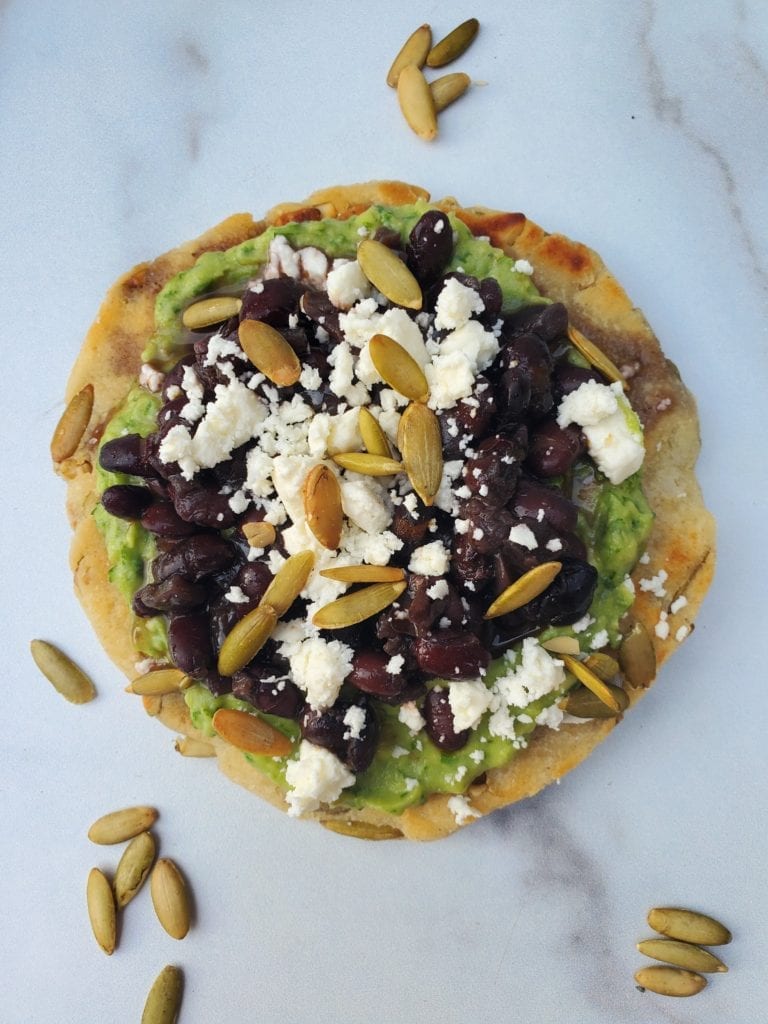

How To Build Your Plate
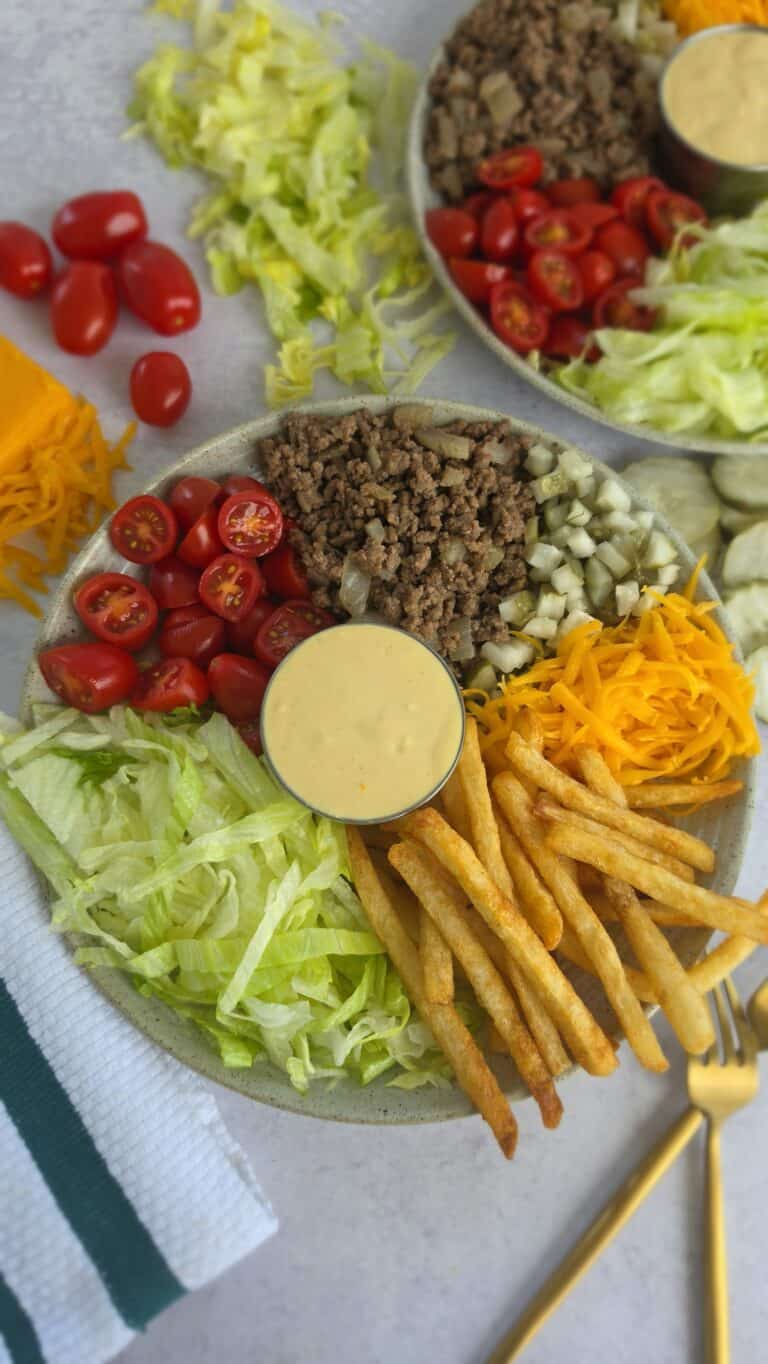
- Half the plate: non-starchy vegetables. Fill half your plate with colorful, non-starchy vegetables, such as leafy greens, broccoli, peppers, cauliflower, cucumbers, zucchini, or tomatoes. While these vegetables do contain some carbohydrates, they are also packed with fiber, vitamins, and antioxidants.
- Quarter of the Plate: Lean Protein – Choose sources like grilled chicken, fish, tofu, eggs, tempeh, Greek yogurt, or legumes (such as lentils or black beans). Protein takes longer to digest and can therefore keep you feeling fuller for longer.
- Quarter of the Plate: Better for You Carbohydrates: Choose high-fiber carbohydrates, such as whole grains (quinoa, oats), beans, lentils, starchy vegetables (sweet potatoes, corn, peas), or fruit. Carbohydrates can and should be a part of your plate. Combining carbohydrates with lean protein, fiber, and fat helps keep blood sugar levels better managed.
- Healthy Fats: Add a portion of heart-healthy fats, such as avocado, nuts, seeds, olive oil, or fatty fish. Fats not only enhance the taste of food but also promote satiety and more balanced blood sugar levels.
- Include a Beverage: Water, unsweetened tea, or sparkling water are better choices for your drink. A serving of milk or unsweetened plant-based milk can also be included, depending on your total carbohydrate intake at the meal.
Final Wrap-Up
Diabetes meal planning doesn’t have to feel overwhelming or restrictive. With a little structure, balanced portions, and simple, nourishing foods, it can become a practical and empowering way to support stable blood sugar and overall health. Small, consistent choices make the biggest difference—and building meals that are both satisfying and sustainable is always the goal.






1 thought on “Diabetes Meal Planning”
Thanks so much for this breakdown! Super helpful!